
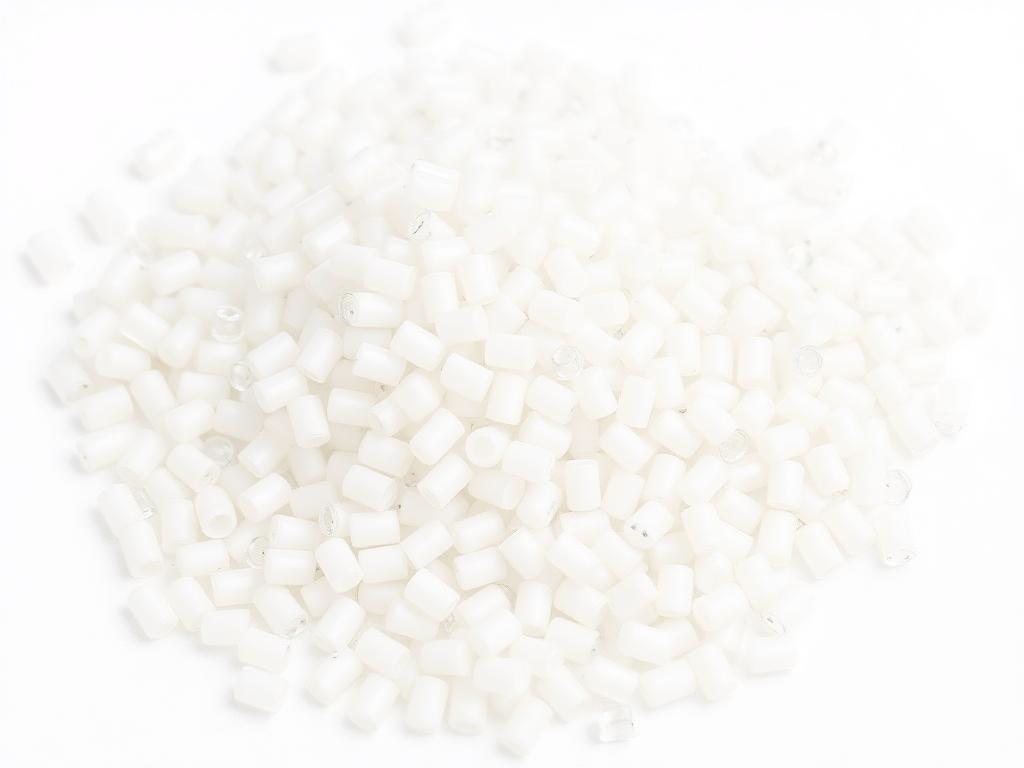
Polyethylene (PE)
HDPE, LDPE and LLDPE resin — selected on density, melt index and process.
Indicative HS heading: 3901
Prices are quoted per enquiry. Availability, origin and certification are confirmed per shipment.
Product overview
Polyethylene is one polymer family with three commercial branches, and the branch is decided by density and molecular structure rather than by brand. HDPE is linear and rigid: bottles, drums, crates, pipe and stiff film. LDPE is highly branched, soft and clear, with excellent processability: shrink film, coatings and squeezable containers. LLDPE sits between them with high puncture and tear strength, which is why it dominates stretch and heavy-duty sacks.
Two numbers select a grade. Density controls stiffness, barrier and shrink behaviour. Melt index controls flow — a low melt index means high molecular weight, better strength and stress-crack resistance but higher processing pressure; a high melt index fills a thin-wall mould easily and gives up toughness. Everything else in a datasheet is refinement.
The third question, always asked and often forgotten, is the process: blown film, cast film, injection moulding, blow moulding, rotomoulding or pipe extrusion. A grade optimised for one is usually wrong for another. Tell us density, melt index and process and the grade selection is straightforward; tell us only 'PE' and it is guesswork.
Canadian supply context
Canada hosts world-scale polyethylene production, concentrated in Alberta's petrochemical corridor and in Ontario, based on ethane and natural gas liquids feedstock. Resin is a significant Canadian industrial export.
Practically, this means a range of film, moulding and pipe families is addressable from Canadian production. Specific grade availability still depends on producer allocation and the shipping window, so we confirm against a real position rather than a catalogue.
Types, grades and variants
All variants of Polyethylene (PE) are supplied from this single product record — there is no separate page or separate specification to chase.
HDPE — blow moulding
Bottles, drums and containers; high stress-crack resistance.
HDPE — injection moulding
Caps, crates and rigid parts; higher melt flow.
HDPE — pipe grades
Pressure pipe applications; classified by pipe performance rating.
LDPE — film and coating
Clarity, softness and easy processing.
LLDPE — film
Stretch film, heavy-duty sacks and liners; high puncture resistance.
MDPE
Intermediate density for film and pipe applications.
Key specifications
Indicative ranges for the commodity. Lot values are confirmed on the certificate of analysis for each shipment.
- Density
- Approximately 0.915–0.965 g/cm³ across the family; grade specific
- Melt flow index
- Selected to the process; stated per grade on the producer datasheet
- Additive package
- Antioxidant, slip, antiblock and UV as required by the application
- Form
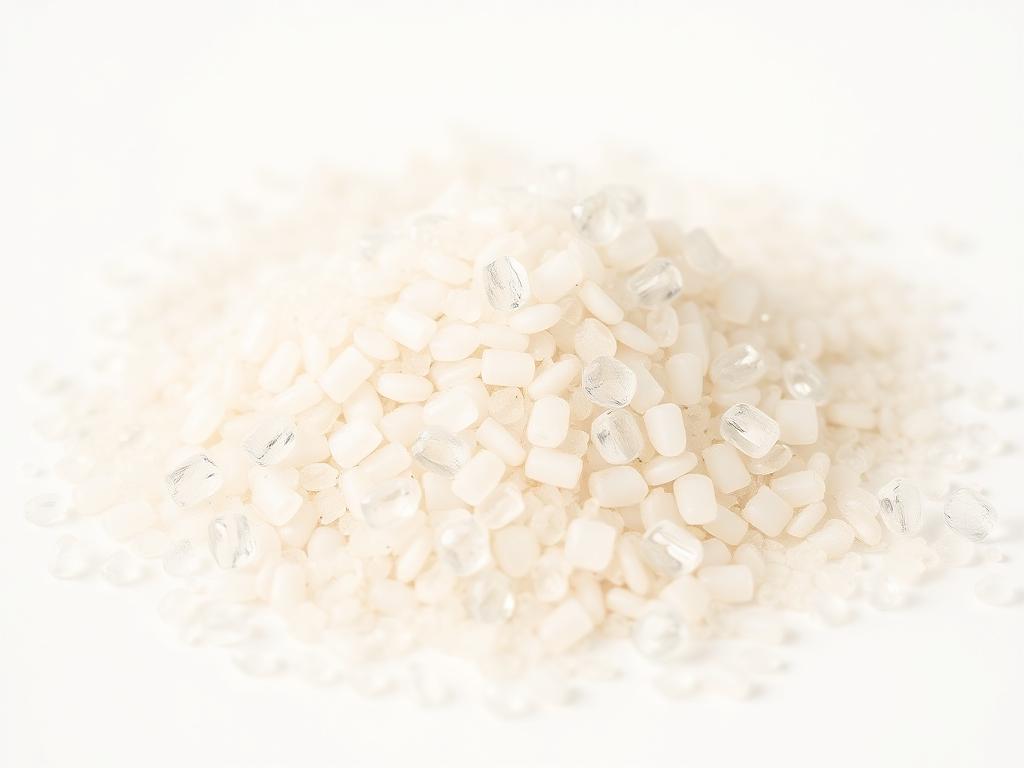
- Pellets / granules
- Quality documentation
- Producer datasheet and certificate of analysis per lot
Applications
- Blown and cast film for packaging
- Stretch film, liners and heavy-duty sacks
- Blow-moulded bottles, drums and containers
- Injection-moulded caps, crates and housewares
- Pressure pipe and fittings
- Rotomoulded tanks
Packaging & supply options
- 25 kg polyethylene bags, palletised and stretch-wrapped
- 1,000 kg / 1,250 kg bulk bags (octabin equivalent)
- Full container loads; bulk options on confirmed volume
Export & commercial notes
- Send your current grade name or datasheet if you are switching origin — matching density and melt index is faster than describing the part.
- Food-contact and potable-water applications need the correct compliance statement; confirm the standard your market applies.
- Quoted FOB, CFR or CIF.
Documentation
Commonly relevant documents. Availability is confirmed per order and destination.
- Producer technical datasheet
- Certificate of Analysis per lot
- Safety Data Sheet
- Certificate of Origin
- Food-contact or potable-water compliance statement where applicable
Related industries
Ready to price Polyethylene (PE)?
Send the specification you already have — even a single line is enough to start. Attach a previous datasheet, tender document or purchase specification if you have one.